
Internationalization Strategy To Strengthen Academic Quality And Campus Reputation
DOI:
https://doi.org/10.3007/av0ar792Keywords:
internationalization, academic quality, university reputation, higher education, international cooperationAbstract
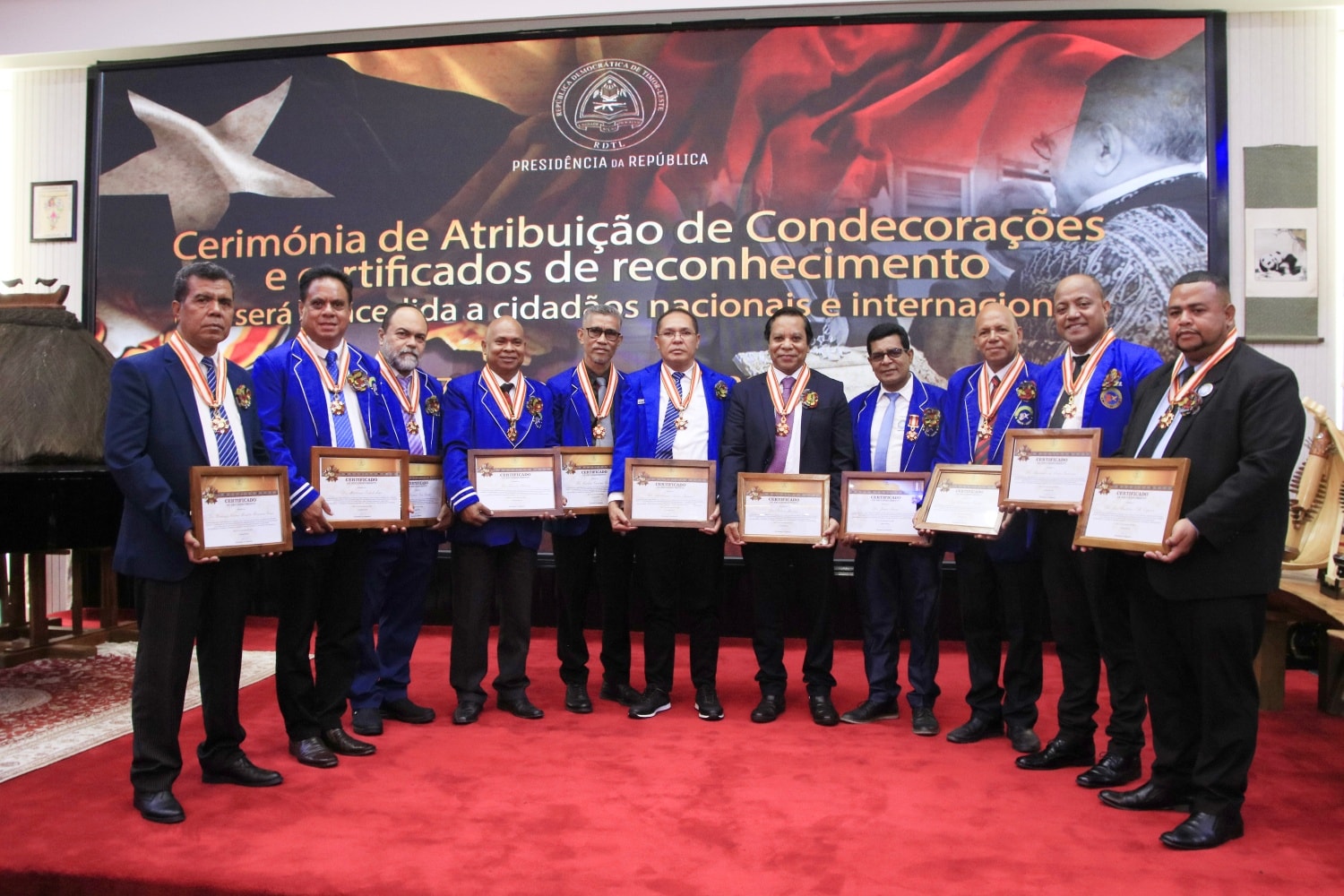
I raised this theme because internationalization is no longer an option, but rather a necessity for universities that want to grow, be relevant, and be recognized in the global academic community, without losing their identity and social responsibility to the nation and state.
This scientific oration discussed internationalization strategies as a strategic instrument to strengthen academic quality and campus reputation amidst the increasingly competitive and interconnected dynamics of global higher education. Internationalization is broadly understood, encompassing the internationalization of curriculum and learning, academic mobility of faculty and students, international research and publication collaboration, institutional partnerships and global networks, international accreditation and rankings, and strengthening internal governance and quality assurance.
Using a conceptual approach enriched by empirical experience in higher education management, this speech formulates a realistic, phased implementation framework for short-, medium-, and long-term institutions with varying levels of preparedness and resources. It also identifies common structural and cultural challenges, along with relevant mitigation measures for higher education institutions in Timor-Leste.The main conclusion of this speech emphasized that academic quality and university reputation are two sides of the same coin, and internationalization serves as a strategic bridge between the two. An effective internationalization strategy must be designed in a gradual, inclusive manner, and rooted in the institution's local scientific excellence and identity, so that the results are substantive and sustainable for the advancement of national higher education in Timor-Leste.
Additional Files
Published
Issue
Section
License
License Terms for the International Scientific Journal of UNPAZ Timor-Leste (ISJUTL)
The International Scientific Journal of UNPAZ Timor-Leste (ISJUTL) is a peer-reviewed, open-access journal that publishes original research and review articles across various fields of Basic and Applied Science. As an open-access journal, it is essential to understand the licensing terms under which articles are published to ensure compliance and respect for intellectual property rights. This document will outline the key aspects of the licensing terms relevant to authors, readers, and institutions.
Licensing Framework
- Open Access Licensing
ISJUTL adopts an open-access model, allowing unrestricted access to its articles. This model typically involves the use of specific licenses that enable readers to freely access, download, and share published articles while maintaining the authors' rights. The most common licenses used in open-access publishing include:
- Creative Commons (CC) Licenses: These licenses allow authors to retain copyright while granting users certain rights. The specific type of CC license used by ISJUTL will dictate how others can use the published content.
Common Types of Creative Commons Licenses:
- CC BY (Attribution): Allows others to distribute, remix, adapt, and build upon the work, even commercially, as long as they credit the original creation.
- CC BY-NC (Attribution-NonCommercial): Similar to CC BY but restricts use to non-commercial purposes only.
- CC BY-SA (Attribution-ShareAlike): Allows for adaptations of the work, even for commercial purposes, as long as others distribute their contributions under the same license.
- Author Rights
Under the open-access model, authors typically retain significant rights over their work, which may include:
- The right to use their work for teaching, research, and other scholarly purposes.
- The right to share the work on personal or institutional repositories.
- The right to create derivative works (subject to the terms of the chosen license).
- Submission and Publication Terms
Authors submitting to ISJUTL must agree to the journal's submission guidelines and publication terms, which generally include:
- Peer Review Process: All submissions will undergo a rigorous peer review to ensure the quality and relevance of the research.
- Originality: Authors must confirm that their work is original and has not been published elsewhere.
- Ethical Compliance: Authors must adhere to ethical standards in research and publication, including proper citation and acknowledgment of sources.
- Copyright Transfer Agreement
Upon acceptance of an article, authors may be required to sign a copyright transfer agreement. This agreement typically allows the journal to publish and distribute the article under the specified license terms while retaining the authors' rights to share and use their work as outlined above.
Compliance and Best Practices
For Authors
- Understand the License: Authors should carefully review the specific license under which their work will be published to ensure they are comfortable with the permissions granted and restrictions imposed.
- Maintain Records: Keep records of all correspondence with the journal and any agreements signed, as these may be necessary for future reference or disputes.
- Promote Your Work: Utilize personal and institutional repositories to share your work while respecting the license terms.
For Readers
- Respect Licensing Terms: Readers should familiarize themselves with the licensing terms associated with each article. Proper attribution and adherence to the license restrictions are crucial.
- Use Responsibly: When using or sharing articles, ensure that any modifications or adaptations are in compliance with the licensing agreement.
For Institutions
- Support Open Access: Institutions should encourage faculty and researchers to publish in open-access journals, providing necessary resources and guidance on compliance with licensing terms.
- Educate on Rights and Responsibilities: Institutions should provide training and resources regarding copyright, licensing, and ethical publishing practices.






 This work is licensed under a Creative Commons Attribution 4.0 International License.